Dive into the world of Backhousia citriodora, as we explore how this humble leafy plant continues to leave its mark in various sectors today.
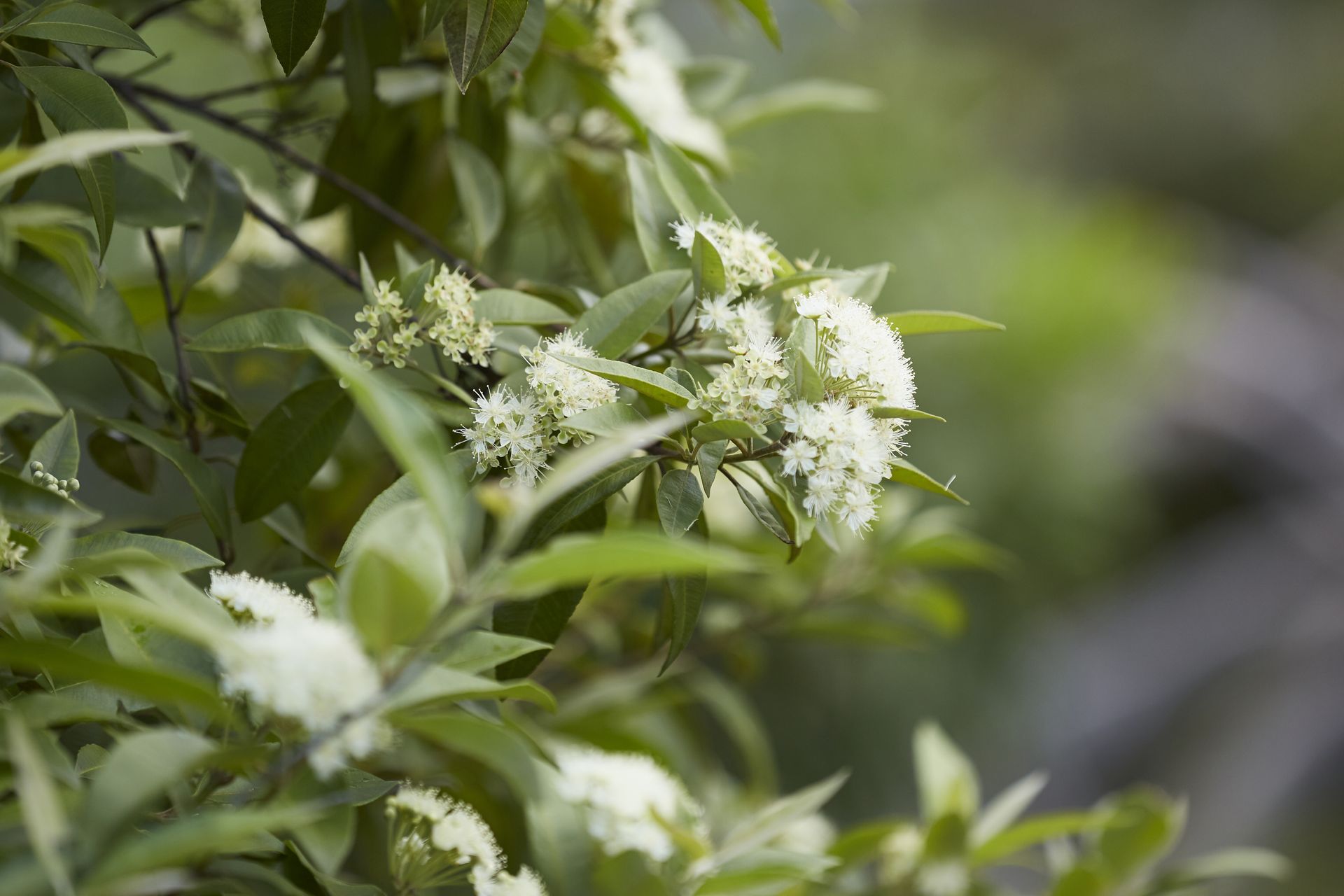
About Backhousia citriodora
The indigenous communities have revered Lemon Myrtle for its health benefits - something modern science affirms today. The antimicrobial properties found within Backhousia citriodora are highly sought after in various industries such as food preservation, personal care products manufacturing, and cleaning solutions development.
Incorporating Indigenous wisdom into modern applications
The indigenous communities have traditionally employed this aromatic plant species for culinary and medicinal purposes due to its robust lemon flavour and health benefits. Crushed leaves were used as a topical treatment for wounds, while brewed teas served as remedies for respiratory ailments.
Tracing the Roots of Lemon Myrtle
In the late 1800s, western botanists began to appreciate this native Australian tree and its many uses. They began documenting this native gem in their home plant database, backhousia citriodora, immortalising it through intricate botanical art. These illustrations often showcased the glossy green aromatic leaves that made it a standout tall variety among bush foods.
Unravelling the Etymology of Backhousia citriodora
The species name 'citriodora' comes from Latin origins with 'citrus', referring to citrus fruits, and 'odor', meaning smell - perfectly capturing its distinctive lemon-scented aroma that's characteristic of this rainforest tree's green aromatic leaves.
A Name Reflecting Cultural Significance
- Lemon Myrtle: The most common reference used by Aussies nationwide; reflecting its tangy lemon-like flavour and fragrance
- Sweet Verbena Tree/Sweet Verbana Myrtle: A nod towards its similar scent profile with certain types of Verbenas
Essential oil chemotypes
In addition to citral, other noteworthy constituents include neral and geranial - two closely related isomers with similar aromatic traits to citral yet differing slightly in their molecular structure. Their existence adds another layer to the complexity of Lemon Myrtle's scent profile, making it highly coveted by manufacturers across industries such as perfumery.
Unveiling the Multifaceted Uses of Backhousia citriodora
The versatility and wide-ranging applications of Backhousia citriodora, are remarkable. This native Australian plant has a place in various industries.
Culinary Applications: Adding Flavour with Lemon Myrtle
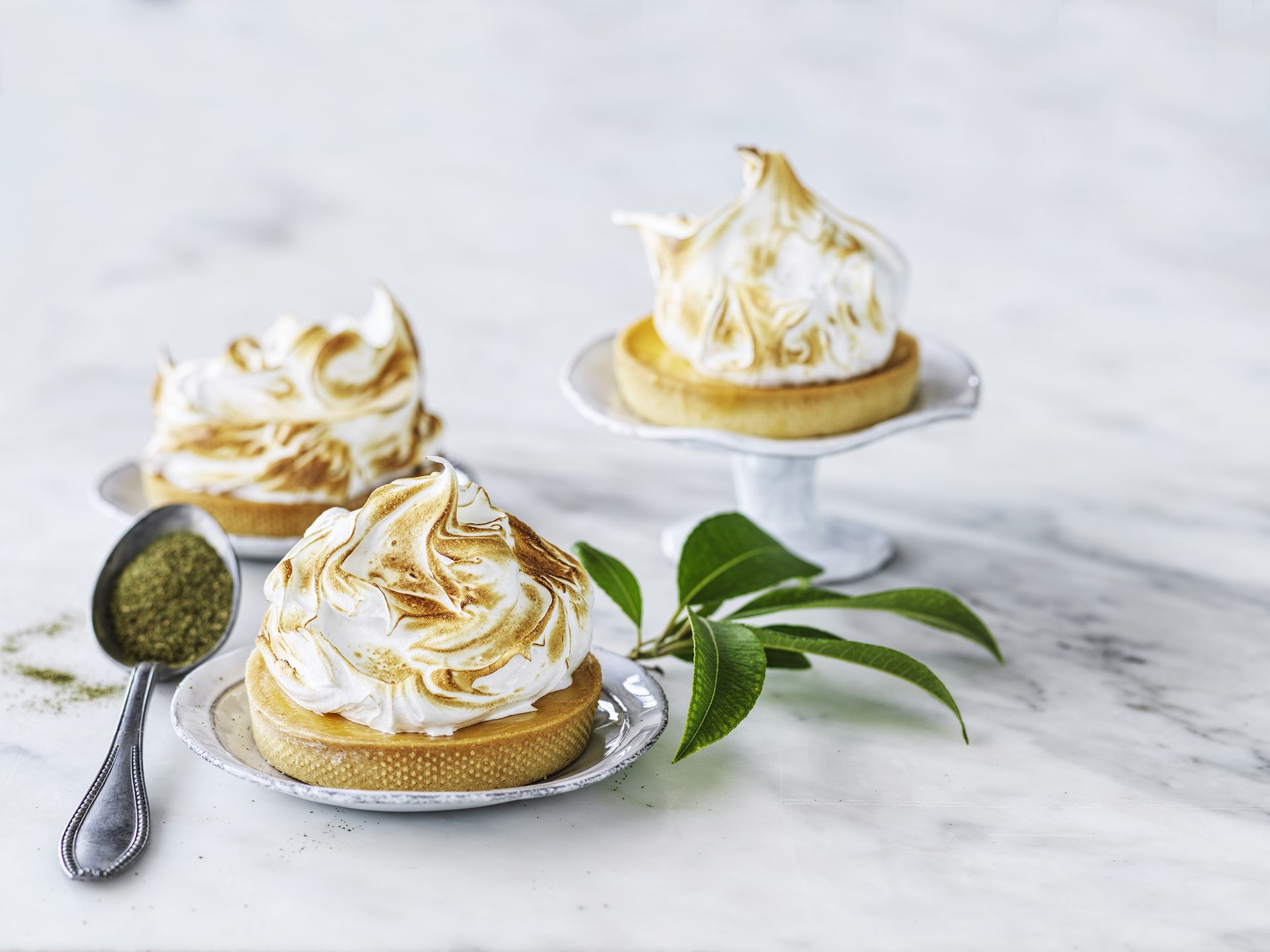
In addition, it is also used extensively in brewing herbal teas - an excellent way to enjoy this beautiful bush food throughout the day.
Cosmetic Uses: Natural Care with Native Plants
Its potent antibacterial properties help combat acne-causing bacteria and soothe skin irritations.
Beyond Culinary & Cosmetic: Cleaning Products & Fragrances
Backhousia citriodora isn't just good for adding flavour or creating natural cosmetics; its antimicrobial properties make it ideal for cleaning products too.
Antimicrobial Properties of Backhousia citriodora
The antimicrobial properties found in the native Australian plant, Backhousia citriodora or Lemon Myrtle, are well-documented. It's these attributes that make it a valuable resource for various industries.
Lemon Myrtle in Cleaning Products
Additionally, with increasing demand for eco-friendly solutions across sectors including cleaning services where fragrance plays a significant role, Backhousia citriodora fits perfectly well.
A Natural Addition to Personal Care Products
In addition to enhancing flavors, Lemon Scented Myrtles offer soothing properties, making them ideal ingredients for soaps, shampoos, lotions, and other personal care items.
Natural Food Preservation
Moving on to food preservation - another area where our beautiful bush food shines. The oil obtained from Lemon Scented Myrtle can act as a natural preservative, due to its capacity to stop microbial growth on food items. This opens up exciting possibilities for manufacturers who aim towards more organic approaches without compromising product safety.
Sustainable Cultivation: A Modern Twist
Farming practices have evolved over time with sustainability becoming paramount.
Lemon Myrtle Tea: A Quintessential Australian Brew
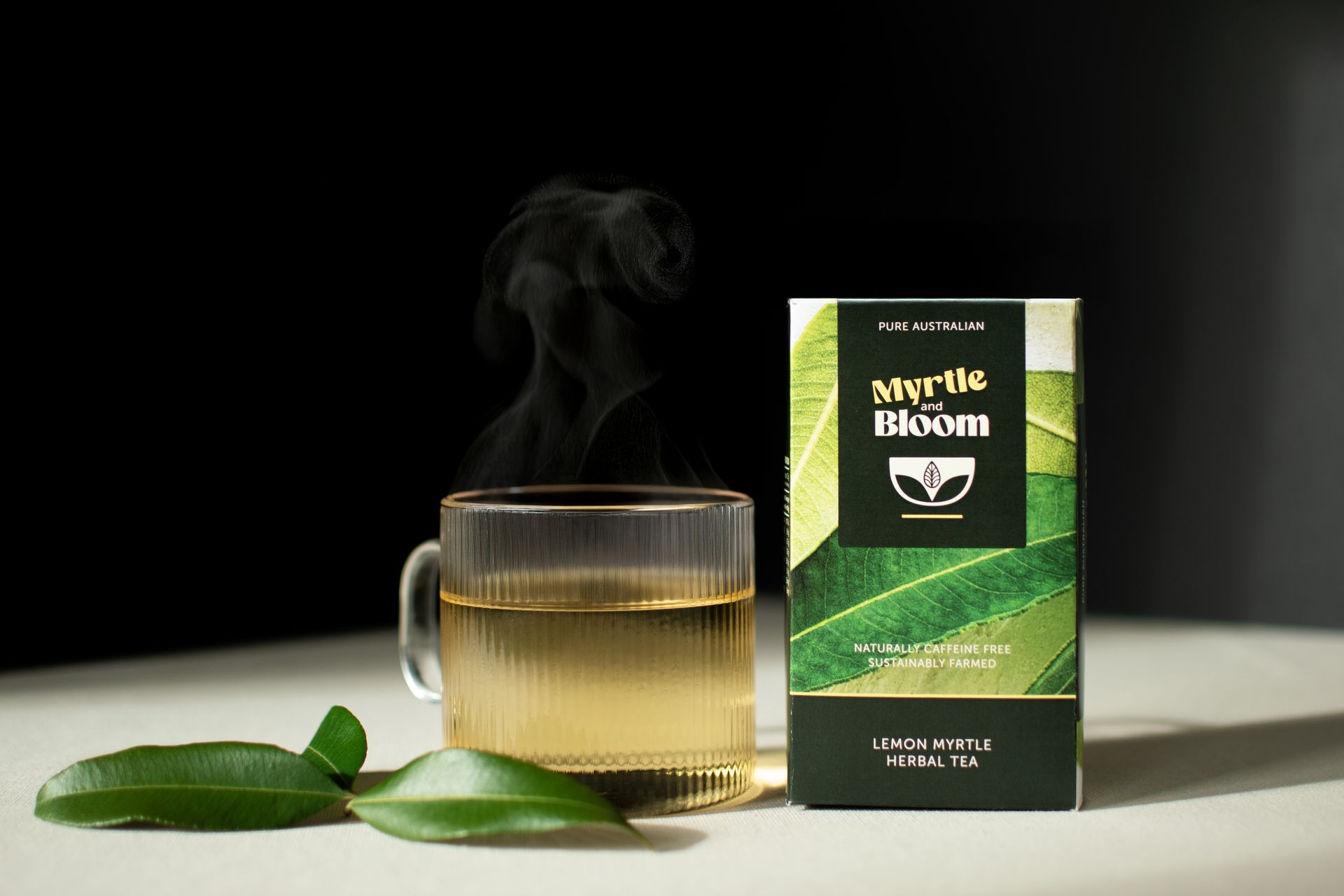
This results in a brew that's as invigorating as it is soothing, brimming with rich citrus flavours that are quintessentially Australian.
The Healthful Cuppa
Beyond its delightful taste profile, Lemon Myrtle tea offers more than meets the eye (or rather palate). The antimicrobial properties inherent to these leaves contribute significantly towards overall wellness when consumed regularly.
A Tradition Rooted Deeply Within Indigenous Wisdom
Much like bush foods such as Riberry and Anise Myrtle, Lemon Scented Myrtle has been integral parts of indigenous diets long before they found their way into modern kitchens. The wisdom behind using these edible plants goes beyond mere sustenance - there's something deeply cultural about this native plant.
The potential of Backhousia citriodora
Backhousia citriodora, is becoming increasingly recognized by manufacturers for its versatility and unique properties, making waves in various industries worldwide.
FAQs in Relation to Backhousia Citriodora
Absolutely, the Lemon Scented Myrtle or Backhousia citriodora is indeed an Australian native. It's predominantly found in the rainforests of Queensland and Northern NSW.
The height of Backhousia citriodora can vary greatly, but it typically grows up to 20 metres in its natural habitat. In cultivation, it usually reaches around 5 metres.
Yes they're one and the same. Lemon Myrtle is just another name for Lemon Scented Myrtle, scientifically known as Backhousia citriodora.
Lemon Ironwood, another name for our good old friend Backhousia citriodora, has many uses including culinary applications like flavoring food and drinks. It's also valued for its essential oil with antimicrobial properties.
Conclusion
For more information, contact us, to find out how Lemon Myrtle can be infused into your brand.