We're peeling back layers beyond those aromatic mists – because knowing what's really in your favourite scent matters.
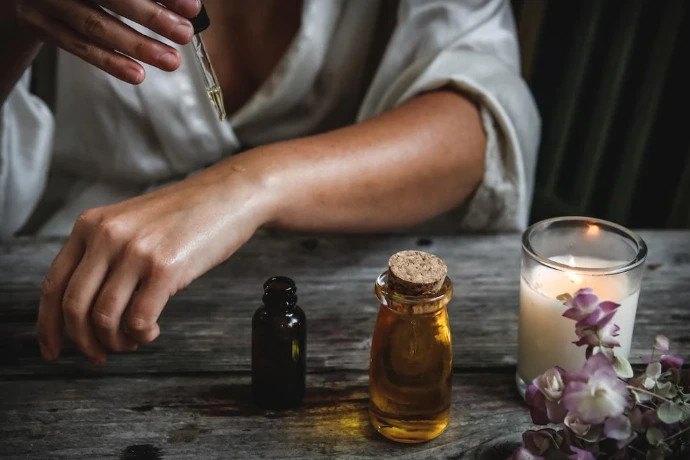
Understanding Essential Oils vs. Fragrance Oils
Composition and Extraction of Essential Oils
Their complexity is staggering; some oils boast hundreds of individual components responsible for both their aroma and health benefits. It's this natural synergy that makes them so valued in aromatherapy for both their healing properties and fragrance.
The Synthetic Nature of Fragrance Oils
Fragrance oils, on the other hand, are crafted by humans as opposed to being born from soil and sunlight. Unlike naturally occurring oils, they're blended in labs where scent profiles are designed to mimic natural aromas or create entirely new ones.Synthetic fragrance oils can mimic natural fragrance oils however they can not be sold to consumers in the same way as scented oils from an aromatic plant, as it's the volatile compounds and natural substances derived from the extraction process that makes all the difference.
The Role of Scents in Product Manufacturing
Aromas are not just sensory pleasures but powerful catalysts for memories and emotions—this is why they're integral ingredients woven into the fabric of diverse product lines across multiple industries.
Aromatherapy and Therapeutic Benefits
Why Essential Oils Are Preferred for Aromatherapy
In fact, studies show people using true lavender oil have seen a significant decrease in anxiety levels compared with those sniffing synthetics. This is because certain components found naturally in essential oils – think linalool or limonene – interact with your body in ways man-made chemicals simply don’t.

Crafting with Scents
When you're looking to infuse products with scent, the choice between essential oils and fragrance oils is pivotal. It's like choosing between a hand-painted masterpiece and a digital print: both can be stunning, but they bring different vibes to the room.
Consumer Preferences and Market Trends
In response, manufacturers are adapting by highlighting natural ingredients and green credentials. The ripple effect is clear – as demand grows, so does the need for innovation in capturing scents without compromising on these newfound consumer values.
Sustainability and Ethical Considerations
To navigate these waters ethically, manufacturers must tread lightly by ensuring sustainable harvesting practices and transparent sourcing—a commitment akin to walking through a dense forest without leaving a trace. Fair trade certifications can serve as compasses guiding companies towards ethical paths.

Regulatory Compliance and Safety Standards
Safety data sheets are also part of the game plan. Each scent component needs one, so users know what they’re dealing with. Whether you’re crafting candles or whipping up shampoos, having these documents sorted can save a lot of headaches later on—literally.
Innovation in Scent Technology
Fragrance oils, on the other hand, push boundaries by creating new sensory experiences, however they are still classified as artificial.
Case Studies
Riberry fruit extract is yet another example where efficacy meets sustainability. When added to skincare formulations, it offers antioxidants without the environmental toll often associated with lab-created compounds. Here we see an intersection between consumer well-being and eco-consciousness driving product innovation forward.
FAQs in Relation to Difference Between Essential Oils and Fragrance Oils
Better depends on your needs. Essential oils offer natural aromas and therapeutic benefits
Absolutely. Essential oils can double as natural fragrances with the bonus of health perks.
Conclusion
For more information, contact us, to find out how Lemon Myrtle can take your product to the next level.