From nourishing your nails naturally with almond oil, advocating for durable stainless steel nail files over disposable ones to reducing packaging waste further, we will also discuss how Australian botanicals are leading the way in both the wellness industry and the sustainable beauty movement and how you too can embrace these practices.
What is Clean Beauty?
In an era where the beauty industry is rapidly evolving, sustainable beauty has emerged as a key trend. But what exactly does it mean to be sustainable in terms of beauty products? The concept extends beyond just using natural ingredients or components.
The Core of Eco-friendly Beauty
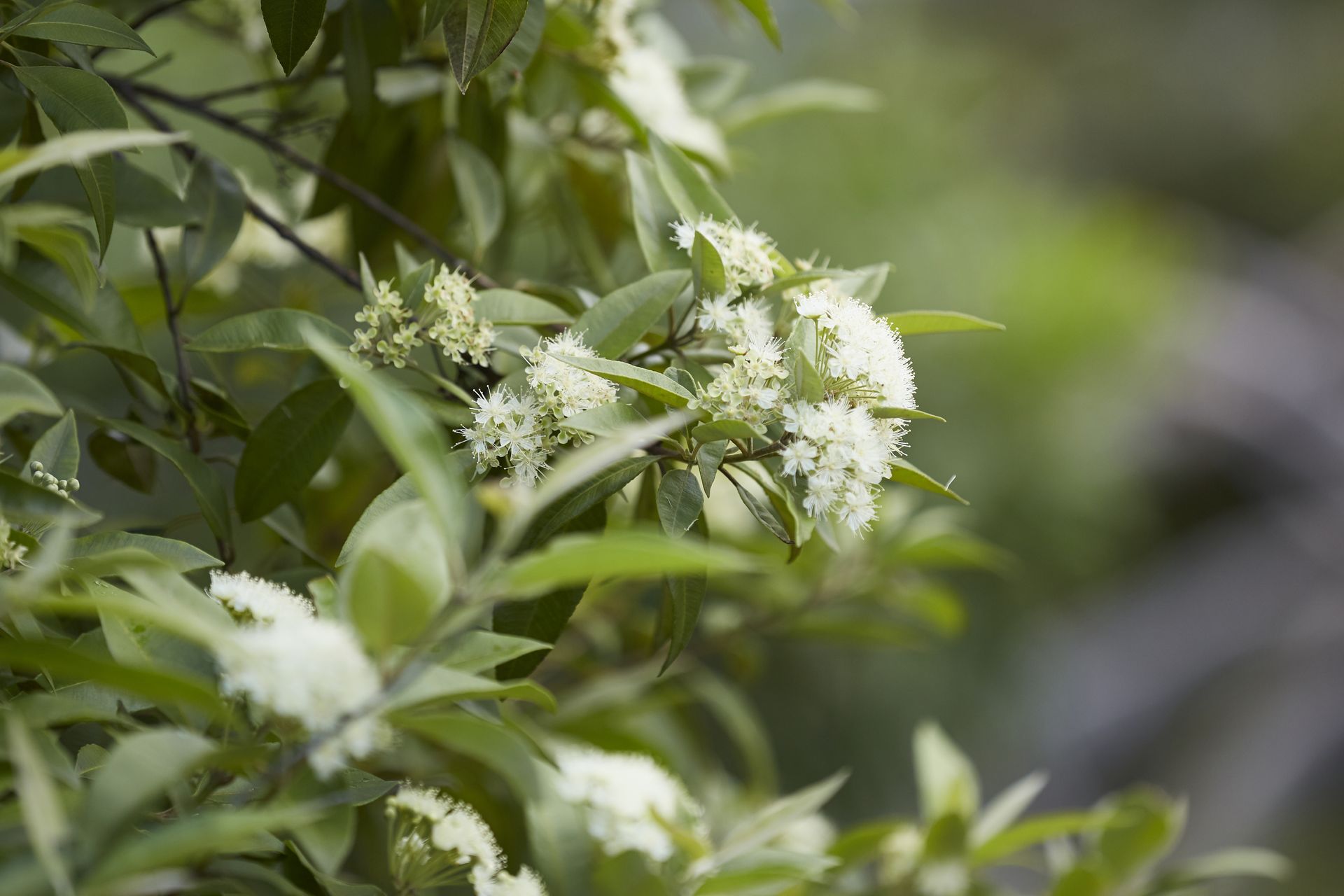
A prime example of this practice can be seen with Australian Botanicals such as Lemon Myrtle. Used by numerous eco-conscious brands, Lemon Myrtle is sustainably grown and harvested, offering potent anti-inflammatory properties and antioxidants without causing harm to your skin or the environment.
The Role of Natural Ingredients
Plant botanicals are ideal for use in various applications within the skincare industry - from essential oils and hydrosols used in aromatherapy, to skincare formulations enriched with dried leaves or powder form, and even microfibers derived from these plants. All of these contribute towards reducing environmental impact while promoting a more holistic approach towards well-being.
The Environmental Impact of the Cosmetics Industry
As one of the fastest-growing sectors, the beauty industry is experiencing a boom like never before. With an increasing number of beauty brands entering this lucrative market, there's been an influx in product options catering to every possible customer need. However, beneath this glamorous facade lies a harsh reality - a cosmetics business and their products carry with them substantial environmental costs.

Tackling Climate change through Sustainability Practices
There's a significant shift happening in the beauty world. More and more beauty companies are turning towards natural ingredients, prioritizing sustainable packaging, and focusing on reducing their impact on the environment. This change is driven by consumers who are embracing a sustainable lifestyle to combat the climate crisis.
A Sustainable Approach For Future Beauty
This growing demand reflects a broader shift across industries toward mitigating plastic waste and decreasing overall environmental impact. It shows that there's an urgent need - both from consumers and manufacturers - for beauty brands that prioritize sustainability at every level – from sourcing raw materials right through manufacturing processes down to product packaging.
The Power of Australian Botanicals
One standout trend within this movement is the use of sustainably grown Australian botanicals like Lemon Myrtle in clean beauty products. Known for its high antioxidant content and anti-inflammatory properties, Lemon Myrtle not only offers numerous benefits for skin health but also contributes to a more sustainable future compared to synthetic ingredients often used in traditional cosmetic manufacturing.

Lemon Myrtle: Nature’s Gift to the world
Lemon Myrtle (Backhousia citriodora), native to Australia's rainforests, provides an excellent example of how nature can offer potent solutions that align with our wellness goals without causing harm to our planet. Its essential oil has been widely recognized for its rich concentration of 'citral', which possesses strong antimicrobial properties making it ideal for incorporation into personal care items such as soaps, shampoos, or lotions.
Farm-to-Face Philosophy
In response to this call, Australian Native Products have developed a range of products - all harnessing these powerful natural components while maintaining ethical farming practices ensuring minimal harm done to the environment during the cultivation process itself. Our focus lies upon three key indigenous plants namely; Lemon Myrtle, Aniseed myrtle & Riberry whose varied uses range from essential oils production to dried leaf and hydrosol.
Lemon Myrtle’s Therapeutic Properties
Modern science has uncovered more about this amazing plant's natural wonders. Rich with potent antioxidants that combat harmful free radicals which cause skin aging, it also possesses strong anti-inflammatory capabilities helpful for treating various skin conditions such as acne or psoriasis.
Lemon Myrtle - the perfect choice for cosmetic manufacturers
Australian botanicals are becoming increasingly popular in the cosmetic industry due to their natural benefis and sustainability. This plant boasts high levels of anti-oxidants and anti-inflammatory properties, making it an excellent ingredient for clean beauty products.

Sustainable Packaging: A Need Of The Hour
A majority of cosmetic packages are made from mixed materials that are not easy to recycle because separating these components can be time-consuming and inconvenient for both recycling personnel and consumers alike. This leads to increased waste, which contributes significantly to our planet’s growing carbon issue.
Sustainable Packaging: The Next Step Forward
The beauty industry is a significant contributor to environmental degradation, with billions of packaging units sold globally each year. However, making your beauty routine more eco-friendly doesn't mean sacrificing the products you love; it's about finding sustainable alternatives.
Packaging Matters
In addition to ingredients, consider how your beauty products are packaged. Opt for companies that prioritize biodegradable and minimal packaging options which reduce waste and carbon footprint—two critical factors contributing significantly towards climate change.
How Sustainable Packaging is Paving The Way For The cosmetics Industry
- Natural Ingredients: By opting for natural ingredients over synthetic ones like parabens or sulfates commonly found across cosmetic business lines, beauty companies can significantly lessen our planet's waste issue.
- Eco-Friendly Manufacturing Practices: Embracing eco-friendly manufacturing practices contributes positively toward reducing greenhouse gas emissions, thereby lessening overall environmental damage.
- Sustainable Packaging: Transitioning into biodegradable packaging materials decreases landfill waste considerably, promoting sustainability on multiple levels.
Tips on Transitioning Towards Products that are good for the environment:
- Research Brands: Not all beauty companies share the same commitment towards sustainability. Look into a brand’s values before purchasing from them.
- Avoid Synthetic Ingredients: Natural ingredients not only benefit your skin but also have less environmental impact compared to synthetic ones.
- Bulk Purchases: This reduces the frequency at which you buy, thus reducing overall packaging waste.
- Eco-friendly Packaging: If possible, choose cosmetic businesses that use biodegradable or recyclable materials for their packages.
In this era where consumers are taking active steps towards a sustainable lifestyle, let's make informed choices that help mitigate climate change while still enjoying our wellness routines.
Key Takeaway:
In the pursuit of helping the planet, consider embracing naturally derived products and brands who strive to reduce waste and benefit your skin. You can also create your own eco-friendly products with natural organic ingredients.
Maximizing Your Skincare Stash
In the world of sustainable beauty, less is more. Before investing in fresh skincare items, think about what you already possess. By fully utilizing your skincare stash, you'll save money and reduce packaging waste.
Tips for Maximizing Your Current Products
- Mix and Match: Combine different products for customized care. Mix that almost empty moisturizer with a too-potent serum for a nourishing blend.
- Repurpose: If a product isn't working on one part of your body, try it elsewhere. That harsh facial cleanser might make a perfect body wash.
- Cut Open Tubes: Don't toss out seemingly empty tubes. Scoop out the last remnants of product from tubes with a spatula or cotton swab to make sure you don't miss out on any potential use.
For more tips like these, check out Sustainable Jungle's guide to zero waste skincare.
Reducing Packaging Waste Through Conscious Consumption
- Purchase Refillable Containers: Opt for brands offering refillable containers to cut down on plastic usage.
- Select Recyclable Packaging: Avoid excessive plastic or non-recyclable materials when making purchases.
- Skip Single-Use Items: Ditch disposable makeup wipes and cotton pads for reusable alternatives like microfiber cloths or bamboo rounds.
The journey towards sustainability isn't about perfection; it's about making better choices. Be a mindful consumer who prioritizes personal needs and environmental impact when selecting beauty essentials. Remember, every small step counts.
FAQs
The main sustainability issues in beauty include excessive packaging waste, harmful ingredients, and unethical sourcing of raw materials.
Sustainable beauty refers to cosmetics and personal care products made from ethically sourced, environmentally friendly ingredients with minimal packaging.
We can make beauty more sustainable by choosing products with eco-friendly packaging, using natural ingredients, and supporting ethical sourcing practices.
Conclusion: Clean Beauty - A Shared Responsibility
Stay in the know by contacting us.