Stroll down any supermarket aisle and you'll see products flaunting 'natural flavour' on their labels. But pause for a moment—can you picture where these flavours come from or how they transform your food experience?
What exactly are natural flavours?
Let's explore the intricate details to ensure you have all the essential knowledge to keep you up to speed.
Unpacking the Mystery of Natural Flavours
What Exactly Are Natural Flavours?
Beyond just providing taste, natural flavours can include components for aroma or even color derived from nature’s pantry – be it fruit juice for sweetness or vegetable juice for hues. But did you know? Over 100 chemicals could mingle in these mixtures, along with solvents and preservatives ensuring their stability and shelf life. They’re complex creations indeed.
The Origins of Taste
Lemon Myrtle, for example, has seen its popularity soar as a vibrant citrus alternative - all thanks to its rich chemical composition teeming with freshness. It’s a prime pick among food manufacturers seeking natural solutions over artificial flavourings that lack connection to any edible source.
Key Takeaway:
Natural flavours are more than just taste; they're complex blends of extracts from nature, sometimes mixed with chemicals for stability. They come from plants or animals and can include elements that impact aroma and color too. But remember, 'natural' doesn't automatically mean healthier—these flavours can be as varied as the sources they come from.
Lemon Myrtle's Rise as a Citrus Alternative
The use of lemon myrtle aligns with consumer trends pushing towards minimally processed ingredients from natural sources over synthetic chemicals found in many artificial flavourings. As consumers become savvier readers of food labels, they're learning to favor 'natural flavours'—and when you choose lemon myrtle, you’re choosing the full bounty nature has to offer.
The Creation Process Behind Natural Flavour Extracts
Ever wondered how lemon myrtle transforms into an essence that's bursting with zesty citrus notes? Extracting natural flavours is both an art and a science, capturing the very soul of nature.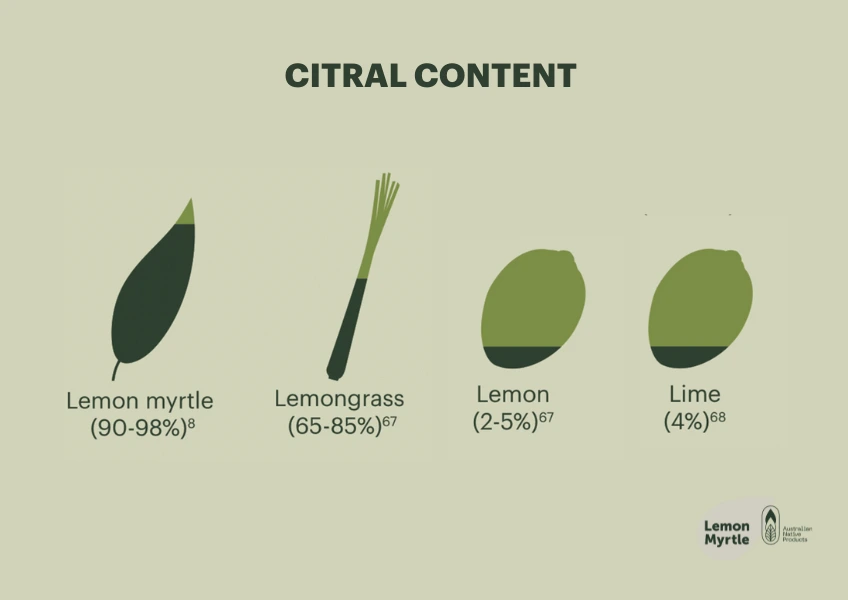
From Source to Essence
Quality in natural flavour extracts, however, isn't just about vibrant taste; it's also about ensuring safety and consistency. This means adhering to stringent regulations throughout production stages.
Safety Regulations Governing Natural Flavours
The Regulatory Framework
FEMA regulates these flavourful additions meticulously so you can enjoy your meal without worry about hidden dangers or calories since natural flavours don't pack extra kilojoules.
Decoding Labels - Natural vs Artificial Flavours
Navigating food labels can be like walking through a maze. You'll often come across terms like 'natural flavours' and 'artificial flavours'. Do these terms have any real significance?
The Label Language Interpreted
To add another layer to this puzzle of palates: vanilla extract is widely known as a natural flavouring; yet vanillin—its synthetic twin—is labeled an artificial flavour despite being chemically identical. This illustrates how defining these substances isn’t always straightforward.
Key Takeaway:
Food labels can be tricky, but don't be fooled by 'natural flavours'—they might not be as pure as you think. These ingredients often come with a cocktail of chemicals used in extraction, and despite the natural label, they're not necessarily healthier.
The Broad Spectrum of Natural Flavour Applications
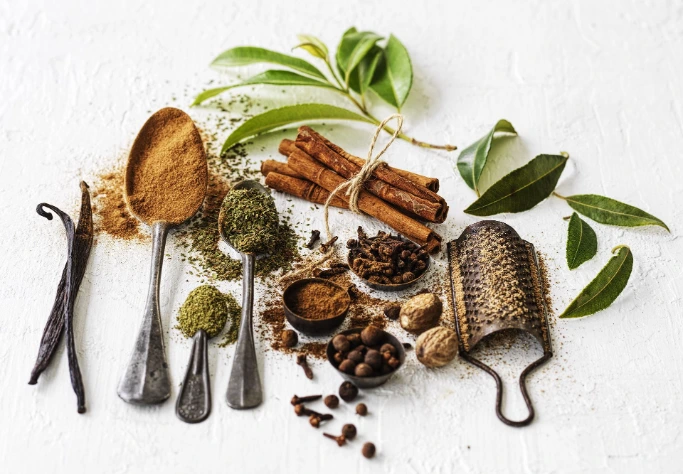
Culinary Creations
Lemon Myrtle, with its vibrant citrus profile, is now being championed as more than just another ingredient; it’s an experience on its own. Whether subtly woven through marinades or used boldly in dressings, this botanical gem turns everyday meals into gourmet adventures.
Scent-sational Beverages
Mixologists aren't far behind chefs in the culinary innovation race. They craft unique drink experiences by weaving together various plant-based extracts and juices, making each sip tell a story—be it one of heritage or invention. The goal? To give patrons drinks they can’t find elsewhere—a combination only possible with nature's finest offerings.
Beyond the bar scene, mixologists collaborate with flavour houses to bring complex profiles to life without relying on synthetic chemicals—the kind that makes you say “I’ll have what she’s having.” So next time you spot ‘natural flavours’ on your beverage menu, know there’s likely some serious creativity bottled up inside.
Trendsetting in Taste - The Future Outlook for Natural Flavours
What was once a simple sip or bite becomes an experience — one enhanced by nature itself.
FAQs in Relation to Natural Flavours
Natural flavors come from real food sources, including spices, fruits, and veggies. They're extracted to enhance the taste.
Eating natural flavors is generally safe; they meet strict Aussie standards before reaching your plate.
In Australia, 'natural flavors' means the essence is derived from actual plant or animal components – nothing artificial.
Natural flavour labels can hide a combination of ingredients like oils and extracts that are not always listed in detail on packaging.
Conclusion
For more information, contact us to find out how Lemon Myrtle can take your product to the next level as a natural flavour.