跳至内容

揭开当今食品行业天然香料的神秘面纱

Industry Uses
2024年1月9日
Curious about the secret behind the irresistible taste of your favorite snack? Natural flavours are often the unsung heroes playing a role in the world of taste. Like a master chef's secret ingredient, they're often shrouded in mystery. A whisper of Lemon Myrtle here, a dash of vanilla extract there – it's an alchemy of nature and science.

Stroll down any supermarket aisle and you'll see products flaunting 'natural flavour' on their labels. But pause for a moment—can you picture where these flavours come from or how they transform your food experience?

What exactly are natural flavours?

More than a deep dive into food additives; think of this article as peeling back the layers of Mother Nature’s pantry to reveal her culinary secrets. By journeying through this post, you'll unlock the origins and processes behind those elusive ingredients list mentions - understanding more than just a term but tasting the story behind each bite.

Let's explore the intricate details to ensure you have all the essential knowledge to keep you up to speed.

Unpacking the Mystery of Natural Flavours

What Exactly Are Natural Flavours?

Navigating through food labels, you might spot 'natural flavours' and wonder what that term really means. The FDA defines these as substances extracted from plant or animal sources, used to add a specific flavour. Think about the burst of zest when biting into an orange; it's this essence, but concentrated.

Beyond just providing taste, natural flavours can include components for aroma or even color derived from nature’s pantry – be it fruit juice for sweetness or vegetable juice for hues. But did you know? Over 100 chemicals could mingle in these mixtures, along with solvents and preservatives ensuring their stability and shelf life. They’re complex creations indeed.

The Origins of Taste

Mother Nature is generous with her bounty – everything from edible yeast to common allergens like nuts contributes to creating tantalizing tastes. These ingredients are minimally processed before they enhance our favorite foods.

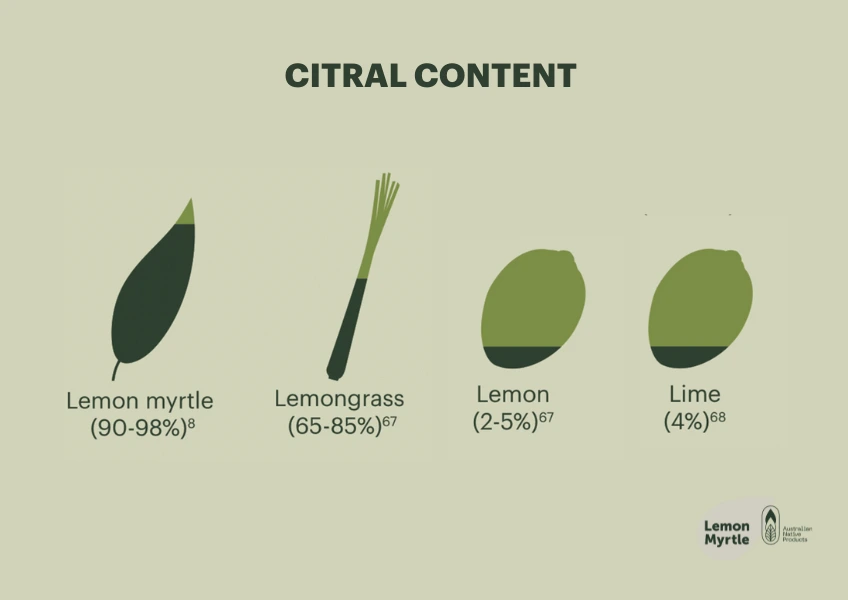
Lemon Myrtle, for example, has seen its popularity soar as a vibrant citrus alternative - all thanks to its rich chemical composition teeming with freshness. It’s a prime pick among food manufacturers seeking natural solutions over artificial flavourings that lack connection to any edible source.

Lemon Myrtle's Rise as a Citrus Alternative

Lemon Myrtle is making waves as a zesty, natural flavour in the culinary world. With its vibrant citrus profile, it stands out among other natural flavours, providing food manufacturers with an enticing alternative to traditional citrus ingredients.

Its versatility shines through when used in various food products. As a citrus flavour substitute, lemon myrtle offers distinct advantages: not only does it impart that sought-after tangy taste but also adds an aromatic depth that can't be mimicked by artificial flavours or even common citrus fruits like lemons and limes.

This Australian native isn’t just about taste; chefs are recognizing lemon myrtle for its ability to enhance flavour without overpowering dishes—making it perfect for savory creations and scent-sational beverages alike. From spicing up a grilled fish to giving cocktails that extra punch, this powerhouse herb serves as both a seasoning and a key aroma component.

What truly sets apart this Aussie gem is its rich chemical composition which provides more than just taste; indeed, every sprinkle of dried leaf or drop of essential oil carries Mother Nature’s essence into our meals.

The use of lemon myrtle aligns with consumer trends pushing towards minimally processed ingredients from natural sources over synthetic chemicals found in many artificial flavourings. As consumers become savvier readers of food labels, they're learning to favor 'natural flavours'—and when you choose lemon myrtle, you’re choosing the full bounty nature has to offer.

The Creation Process Behind Natural Flavour Extracts

Ever wondered how lemon myrtle transforms into an essence that's bursting with zesty citrus notes? Extracting natural flavours is both an art and a science, capturing the very soul of nature.

From Source to Essence

To begin, fresh plant material undergoes meticulous selection for the highest quality. The extraction process often involves distillation or pressing—techniques honed over centuries but now perfected by modern technology.

Quality in natural flavour extracts, however, isn't just about vibrant taste; it's also about ensuring safety and consistency. This means adhering to stringent regulations throughout production stages.

Safety Regulations Governing Natural Flavours

The Regulatory Framework

Ensuring the safety of our food is a critical concern. You might wonder, are natural flavours safe to consume? Well, there's a whole framework set up just for that, with government bodies having strict guidelines on flavouring substances.

For instance, FEMA  is the Flavour Extract Manufacturers Association, which works alongside the FDA. They help ensure that every dash of natural flavour in your food meets rigorous safety standards. Think of FEMA as taste testers who put health first; they're like culinary guardians.

FEMA regulates these flavourful additions meticulously so you can enjoy your meal without worry about hidden dangers or calories since natural flavours don't pack extra kilojoules.

Decoding Labels - Natural vs Artificial Flavours

Navigating food labels can be like walking through a maze. You'll often come across terms like 'natural flavours' and 'artificial flavours'. Do these terms have any real significance?

The Label Language Interpreted

You might think that natural flavours are simply plucked from mother nature's pantry, while artificial ones are concocted in a lab. The truth is more nuanced. The definition of 'natural flavour' is not legally formalized, but usually implies an origin from plant or animal sources. On the flip side, artificial flavours don't originate from anything edible at all.

To add another layer to this puzzle of palates: vanilla extract is widely known as a natural flavouring; yet vanillin—its synthetic twin—is labeled an artificial flavour despite being chemically identical. This illustrates how defining these substances isn’t always straightforward.

The Broad Spectrum of Natural Flavour Applications


Culinary Creations

When you think about natural flavours for beverages, it's not just a dash of fruit juice or a pinch of spice. Chefs across Australia are pushing boundaries, infusing natural essences like lemon myrtle into their dishes to create a sensory journey that delights the palate. It’s all about using these natural flavours in savory dishes to enhance and transform them.

Lemon Myrtle, with its vibrant citrus profile, is now being championed as more than just another ingredient; it’s an experience on its own. Whether subtly woven through marinades or used boldly in dressings, this botanical gem turns everyday meals into gourmet adventures.

Scent-sational Beverages

Mixologists aren't far behind chefs in the culinary innovation race. They craft unique drink experiences by weaving together various plant-based extracts and juices, making each sip tell a story—be it one of heritage or invention. The goal? To give patrons drinks they can’t find elsewhere—a combination only possible with nature's finest offerings.

Beyond the bar scene, mixologists collaborate with flavour houses to bring complex profiles to life without relying on synthetic chemicals—the kind that makes you say “I’ll have what she’s having.” So next time you spot ‘natural flavours’ on your beverage menu, know there’s likely some serious creativity bottled up inside.

Trendsetting in Taste - The Future Outlook for Natural Flavours

As taste buds worldwide crave a return to authenticity, natural flavours are stealing the spotlight. From the zing of lemon myrtle in tea to the exotic twist of anise myrtle in sweets, Mother Nature's pantry is open wide. But it's not just about flavour; today’s savvy consumers demand transparency and clean label products.

Consumer trends show a growing unease with synthetic chemicals masquerading as 'natural'. People want real ingredients they can trust — sourced from plants or animals without artificial enhancement. This shift has food manufacturers pondering: How do we deliver authentic taste while satisfying this hunger for natural?

The answer lies partly with botanicals, when used wisely, such potent naturals let us dial down on added sugars and salts — a move welcomed by health-conscious eaters. And it isn't just food labels catching on; beverages too are turning away from chemical mixtures towards essences like these that promise purity.

We're seeing innovative chefs blend culinary traditions with local plant material—think vanilla extract meeting indigenous spices — and crafty mixologists infusing drinks with layers upon layers of natural extracts. As we wave goodbye to processed foods laced with artificial additives, our meals become more than fuel — they tell stories.

What was once a simple sip or bite becomes an experience — one enhanced by nature itself.

FAQs in Relation to Natural Flavours

Natural flavors come from real food sources, including spices, fruits, and veggies. They're extracted to enhance the taste.

Eating natural flavors is generally safe; they meet strict Aussie standards before reaching your plate.

In Australia, 'natural flavors' means the essence is derived from actual plant or animal components – nothing artificial.

Natural flavour labels can hide a combination of ingredients like oils and extracts that are not always listed in detail on packaging.

Conclusion

So, you've ventured through the labyrinth of natural flavours. You now know they're not just marketing buzzwords but complex blends rooted in nature's bounty.

Remember, these culinary wizards come from both plants and animals. Flavour enhancers can jazz up your food with over a hundred different chemicals, including essential oils and extracts. And yes, lemon myrtle has indeed emerged as a zesty champ among citrus alternatives.

Understand this: extracting these flavours is an art—turning raw materials into those powerful essences that tickle your taste buds. But rest easy; there are strict safety regulations to keep things above board.

Acknowledge the distinction between natural and artificial - it's subtle yet significant when scanning food labels. Be aware that 'natural'  and natural flavourings, doesn't always mean healthier or less processed—it’s about source origin.

Last but not least, grasp that while natural flavours might seem like small fry on an ingredients list, their impact on how we enjoy our food is massive—a true testament to Mother Nature’s flair for flavour!

For more information, contact us to find out how Lemon Myrtle can take your product to the next level as a natural flavour.


分析这篇文章
我们的博客
存档
与柠檬香桃的烹饪创新 - 与新婚食品的独家采访
Industry Uses