コンテンツへスキップ

有机天然香料:提升您的产品吸引力

Industry Uses
2024年1月25日 によって
Organic natural flavours are riding the crest of consumer preference, as more shoppers lean towards clean labels and understandable ingredients. It's a fact that 73% of consumers will pay a higher retail price for products containing ingredients they recognize and trust. This is where organic natural flavours shine.

In your quest to understand what makes these flavours buzzworthy, you'll get why Lemon Myrtle stands out in the crowd. This isn't just about swapping synthetic for authentic; it's a strategic move to elevate product appeal with discerning buyers.

What exactly sets apart an extract from a flavour? You'll learn how their differences can influence your choice in formulation. And when we talk citrus alternatives, and organic flavour, discover if Lemon Myrtle could be the zest your product needs.

What is a natural flavour

Natural flavours are the essence of taste. They come directly from plants or animals and give food its unique taste without synthetic additives. Think of them like the seasoning in your kitchen that comes straight from nature's pantry.

When you bite into an apple, what hits you first? It's not just sweetness; it’s a complex blend created by Mother Nature. That complexity is what manufacturers aim to capture when they create natural flavours for our favorite snacks and drinks.

The difference between a natural flavour and a natural extract

A common mix-up happens between natural flavours and extracts, but here's the scoop: while both are derived from real sources, their paths diverge with processing. Natural extracts usually involve soaking an ingredient in solvent to coax out desired compounds—think vanilla extract as a classic example.

In contrast, creating natural flavours might include heating or fermenting, which often results in more nuanced tastes. These processes pull out flavourful oils and essences used across the culinary world for their robust profiles that can turn ordinary dishes extraordinary.

The benefits of a natural flavour over artificial

Nature knows best—and this holds true for taste too. Natural flavours offer advantages beyond just great taste; they're generally considered safer because they're sourced from edible items rather than concocted in labs.

According to FDA guidelines, these ingredients have less chance of causing adverse reactions since we've been consuming them throughout history—as opposed to artificial ones which may be newer on our palates (and sometimes trickier for bodies).

Why is Lemon Myrtle a great natural flavour alternative

Lemon Myrtle packs quite the punch with its bright citrusy notes—a little goes a long way. This Australian native isn't only about zesty vibes; it also brings depth with hints of grassiness making it versatile enough for sweet treats or savory dishes alike.

The difference between a natural flavour and a natural extract

Natural flavours and extracts may seem similar, but they're quite distinct. A natural flavour often comes from numerous components of the source ingredient. It's crafted to give foods or products a specific taste profile. For example, Lemon Myrtle's vibrant citrus notes can be captured in this form.

In contrast, natural extracts, like those derived from Anise Myrtle or riberry, involve isolating essential oils or other compounds through processes such as distillation. This creates potent concentrates that mirror the original plant’s essence closely.

While both are derived from nature, their paths diverge when it comes to concentration and application. Natural flavours might use various parts of plants for subtler tastes suitable for culinary creations. Extracts pack more punch because they concentrate key elements found within the botanicals into powerful essences perfect for aromatherapy or intense flavouring needs.

To grasp these differences practically:

  • A baker might choose Lemon Myrtle natural flavour when crafting cookies with just a hint of zestiness needed throughout each bite
  • But turn to Anise Myrtle extract when creating candy where one drop imparts significant licorice-like savor
  • Riberry extract could then serve well in small-scale artisanal jams due to its strong berry characteristics concentrated enough not to get lost among other ingredients

The benefits of a natural flavour over artificial

When you bite into a dish flavoured with natural ingredients, it's like hearing your favorite song on vinyl rather than streamed—it's an authentic experience. Natural flavours come from real food sources, including spices, fruits, and herbs. They're made by extracting the essential oils or compounds directly from these items.

Artificial flavours, on the other hand, are synthesized in labs. Chemists analyze the key components that give foods their taste and recreate them using various chemicals. The end result may mimic the original flavour but lacks its full spectrum complexity.

Nutritional Value and Safety

Natural flavours often retain more of their nutritional value since they come straight from the source. They contain trace minerals and vitamins found in whole foods—elements usually absent in artificial counterparts. Studies suggest that some synthetic additives could have adverse health effects, making naturally derived flavours not only tastier but potentially safer too.

To get these pure tastes onto your plate safely, stringent regulations are set by authorities such as the FDA to ensure quality control for natural extracts used as flavouring agents.

Sustainability Matters

If sustainability matters to you, choosing natural over synthetic is a step towards supporting environmentally friendly practices. Research has shown that producing artificial flavours can be resource-intensive due to chemical processes involved while sourcing natural ones encourages agricultural growth and biodiversity conservation.

Why is Lemon Myrtle a great natural flavour alternative

Lemon Myrtle, with its robust citrus scent and complex flavour profile, has become increasingly popular. This Australian native botanical stands out because it offers an intense lemony taste without the tartness often associated with actual lemons.

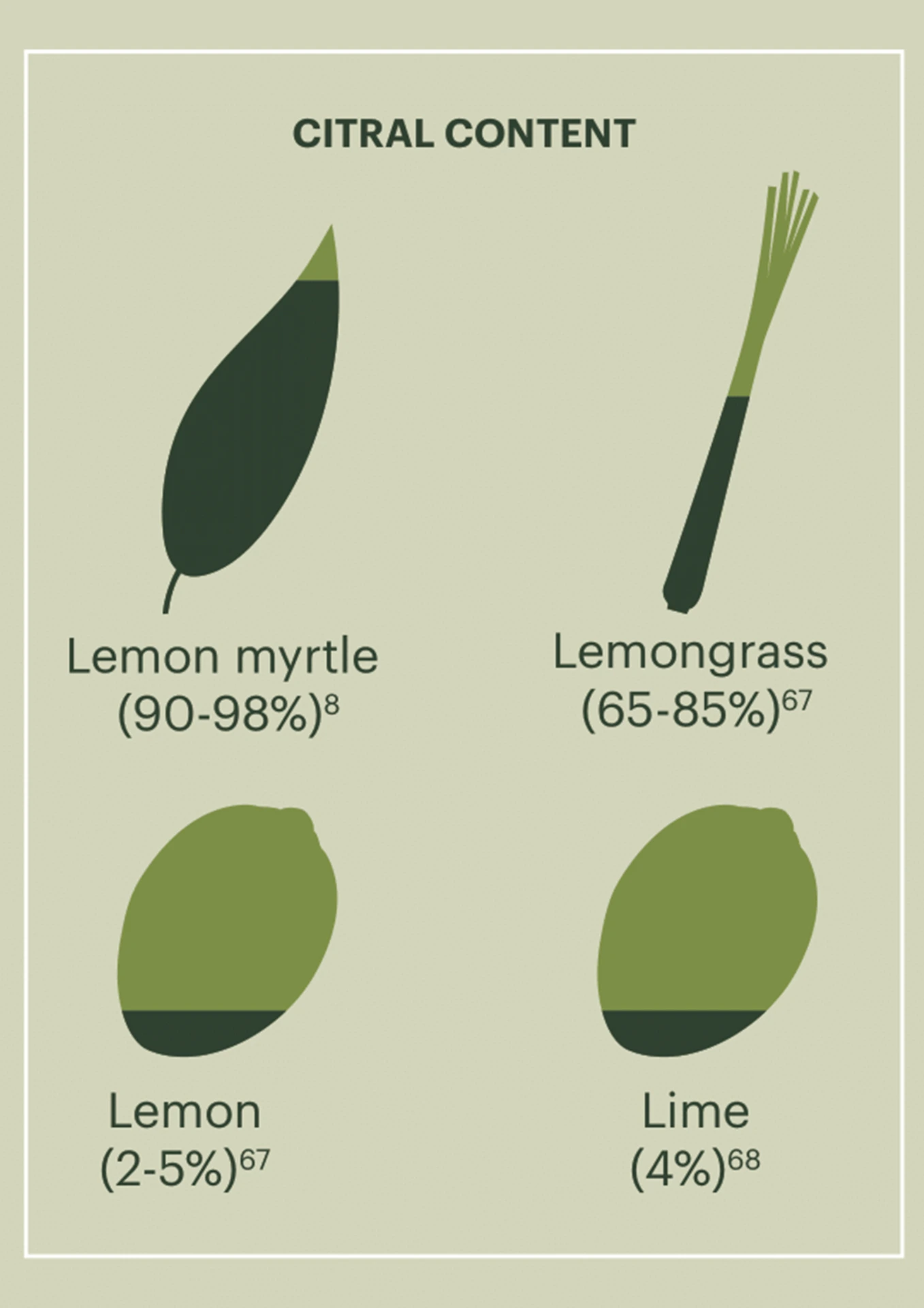
The essential oils derived from Lemon Myrtle are rich in citral, which accounts for its fresh and uplifting aroma. What's more interesting is that these oils contain up to 98% citral compounds—much higher than what you'd find in lemon and lime oils.

Distinctive Flavour Profile

Beyond just being another citrus substitute, Lemon Myrtle brings something special sugar free flavour to the table. Its sweet yet slightly menthol edge makes it versatile across various culinary applications—from enhancing desserts to spicing up savory dishes.

Chefs appreciate its ability to impart a strong lemon punch without altering the acidity balance within their creations, thus preserving delicate flavours that might otherwise be overwhelmed by traditional citrus juices or zest.

Natural Composition

In terms of health benefits, unlike artificial additives or synthetic flavours that can have questionable ingredients lists, Lemon Myrtle is all-natural. This means you're adding flavour using something straight from nature—not created in a lab.

Sustainability Factors

We harvest Lemon Myrtle sustainably for minimal environmental impact. So when you choose this as your go-to seasoning or tea ingredient, you’re not just getting unique taste; you're also supporting eco-friendly practices.

Versatility In Use

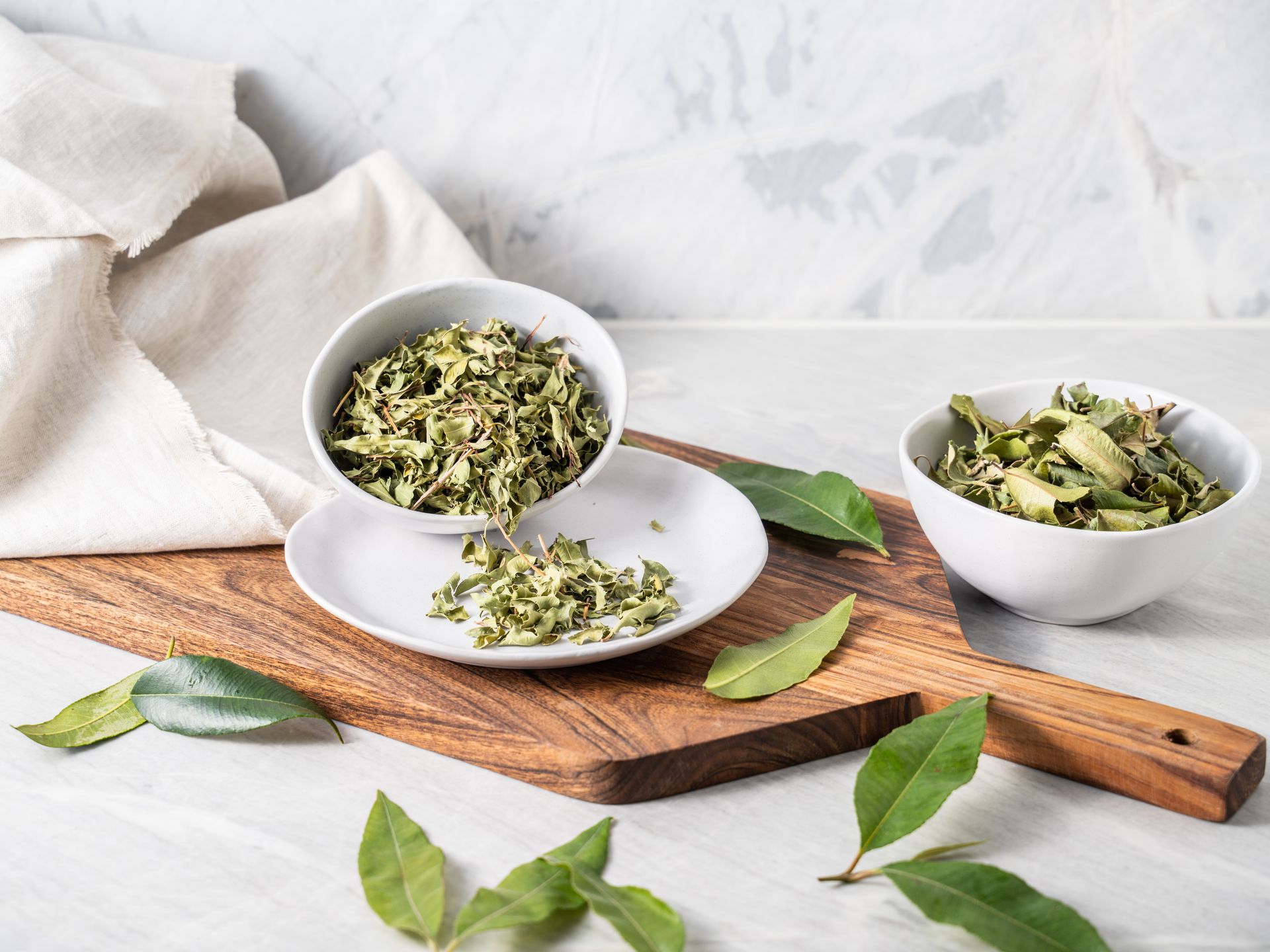
Lemon Myrtle’s dried leaves work wonders as an infusion for teas offering relaxation properties while delivering zesty notes. Studies suggest this super-plant contains antimicrobial qualities which could help boost immunity—a win-win.

Is Lemon Myrtle a good citrus alternative?

Lemon Myrtle, with its vibrant lemony tang, has gained popularity as a robust and delightful substitute for traditional citrus flavours. It stands out because of its intense flavour profile which is often described as more lemony than the actual fruit.

This Australian native isn't just about taste; it's also packed with phenolic compounds that offer antioxidant benefits. That means you get flavour plus a health kick in one go.

But what makes Lemon Myrtle stand tall among other alternatives? Its versatility for starters. You can use dried leaves to infuse teas or ground them into powder for desserts and dressings—options are endless.

The Culinary Edge of Lemon Myrtle

Chefs love the boldness that comes from this Aussie gem. Imagine adding a sprinkle to your dish and instantly elevating it with a fresh burst of citral – the compound responsible for its signature zing.

You'll find that Lemon Myrtle adapts well across various recipes, complementing both sweet treats like cookies and savory dishes such as grilled fish or chicken perfectly, making sure your meals sing without overpowering them.

Eco-friendly Choice

Growing lemons requires significant water and care, but not so much with Lemon Myrtle. This hardy plant thrives even in poor soil conditions, needing less pampering while still offering an abundance of zestful leaves ready to be transformed into culinary delights or aromatic oils.

Picking this alternative could help reduce our environmental footprint since it asks for fewer resources yet delivers plenty on the sensory front—a win-win situation.

Aromatherapy’s New Favourite?

In aromatherapy circles, there's buzz around using essential oils derived from this leaf due to their calming properties—a nice bonus on top of their invigorating scent. Great for an uplifting scent in a diffuser or to use in fragrance oils; you won't miss those regular citrus notes at all.

Lemon Myrtle oil does wonders when diluted correctly before applying onto skin too—not only will you smell great but benefit from its antimicrobial traits too. Natural fragrance never smelt so good.

FAQs in Relation to Organic Natural Flavours

Organic natural flavours come from pure sources like plants and fruits, grown without synthetic pesticides or fertilisers.

Natural flavors can have undeclared components like preservatives and processing aids, not listed on labels.

FDA-approved natural flavors meet safety standards for consumption but details beyond that can be vague.

Specially trained food scientists called flavourists craft complex taste profiles for various products.

Conclusion

So, you've navigated the world of organic natural flavours. You know now that not all tastes are created equal; some come from nature's own pantry.

Dive in and remember: extracts differ from flavours, each with its unique process and outcome. This distinction matters when quality is key.

Lemon Myrtle emerged as a standout. It’s the zest to look for when ordinary citrus won’t cut it. What's more you can choose from conventional or certified organic leaf and oil.

If Lemon Myrtle piqued your interest as a citrus alternative, its crisp punch could be just what consumers crave.

Let these insights guide your next flavour adventure. Let them transform products into experiences people seek out because they're crafted with care—because they're genuine.

For more information, contact us, to find out how Lemon Myrtle can take your product to the next level.


このポストを共有
アーカイブ
探索本土植物的基本啤酒成分
Industry Uses