From enhancing your favourite recipes with its unique citrus flavour to brewing aromatic teas or even extracting essential oils used in wellness products - there are so many ways this versatile plant can be utilised!
Understanding Lemon Myrtle
Lemon Myrtle, scientifically known as Backhousia citriodora, is a native Australian plant cherished for its many uses and captivating lemon scent. Indigenous to the wetter coastal areas of northern New South Wales and southern Queensland, this rainforest tree has made its mark in various industries.
Characteristics of Lemon Myrtle
The young trees produce creamy white flowers during Autumn that contrast beautifully against the lush green leaves. These aren't just ornamental but play a vital role in attracting pollinators ensuring successful propagation.
Cultivation and Harvesting Process
Australian natives like Lemon Myrtles thrive best under specific conditions such as soil moisture status and wind protection arrangements within plantation layout designs. They have some frost drought resistance too. To prevent loss due to harsh weather or pests like sooty moulds, growers monitor surface moisture closely while also considering factors like wind gusts.
In terms of harvesting, both mature leaves from older plants and fresh lemon scented ones from younger shoots serve different purposes. The process requires keen observation skills along with knowledge about leaf analyses - understanding oxidant activity helps determine optimal harvest times.
Culinary Uses of Lemon Myrtle
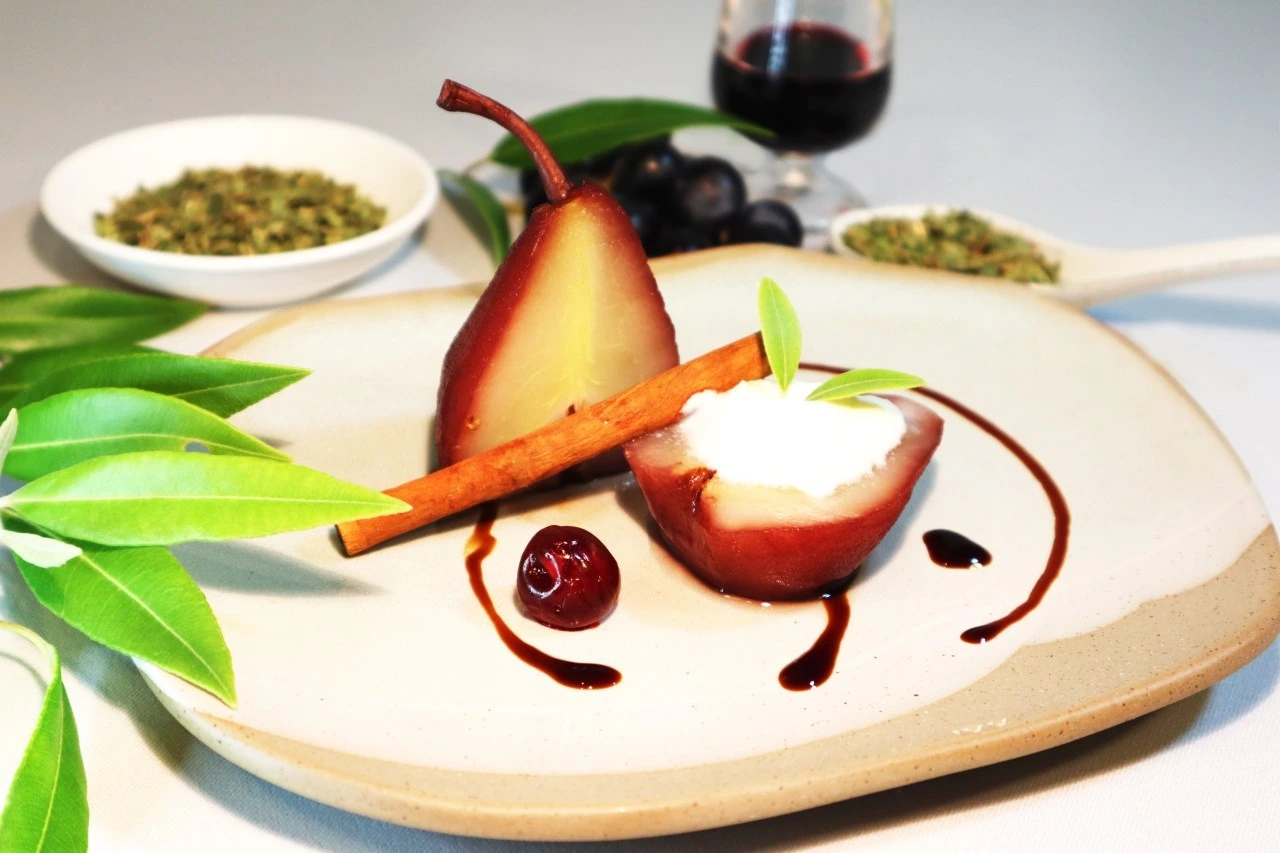
Lemon Myrtle, a standout in the Australian native flora, has been making waves in culinary circles with its vibrant citrus flavour and intoxicating lemon scent. The diversity of this plant permits it to be utilised in an array of dishes and drinks.

Enhancing Flavours with Lemon Myrtle
A common feature in spice blends, Lemon Myrtle leaves lend a unique citrus note that complements various ingredients beautifully. Its refreshingly intense citrus notes can turn any ordinary dish into something extraordinary.
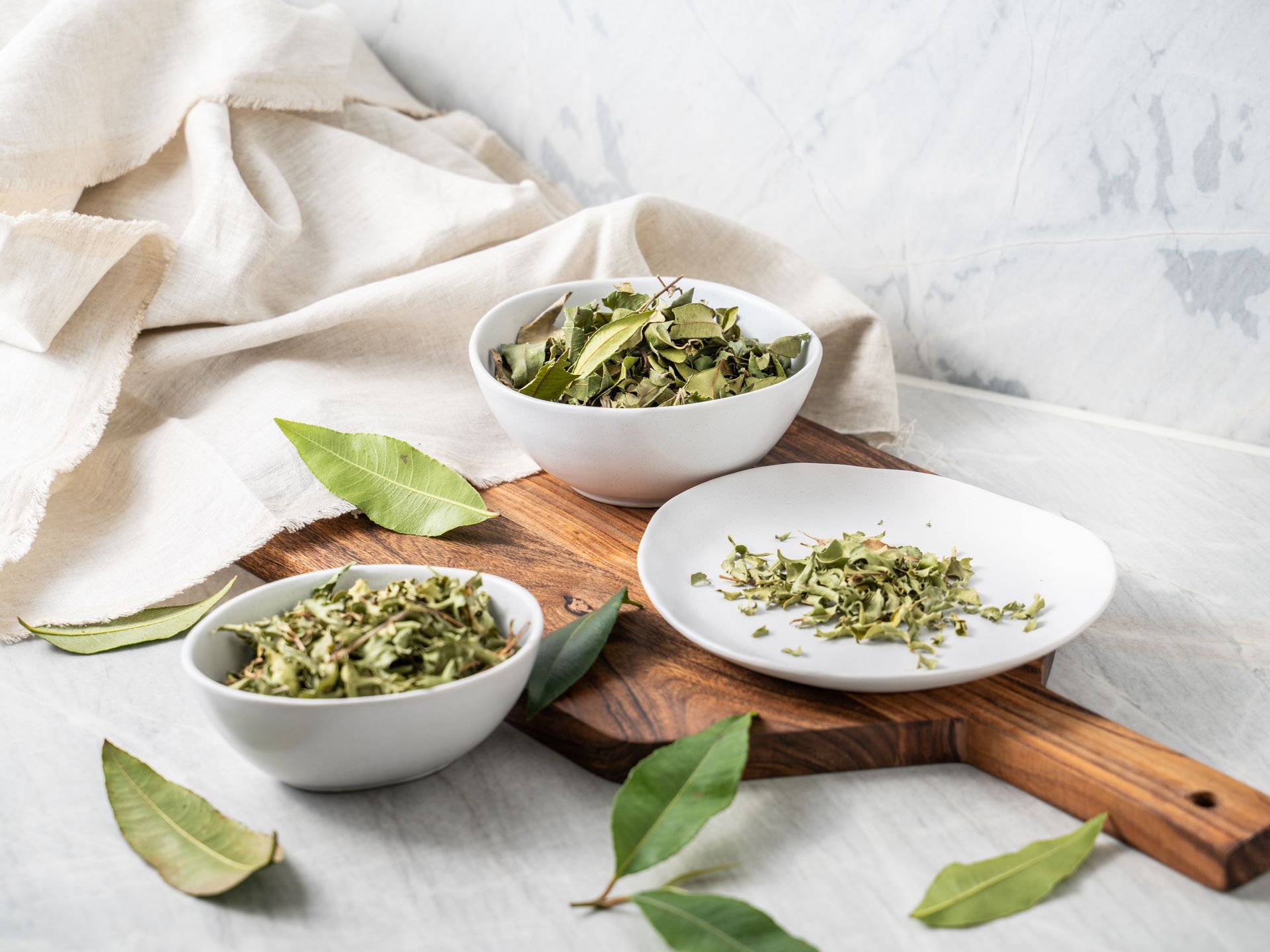
The mature leaves are often cool dried and ground into a fine powder for use as a flavoring agent. It's no surprise then that chefs love adding it to their secret spice mix or using it as part of the cookie mix.
Beyond spices, you'll also find Lemon Myrtle playing star roles in jams like the Organic Lemon Myrtle Mango Jam. And if you've ever had popcorn with that little extra zing, chances are there was some Lemon Myrtles 50gm powder involved.
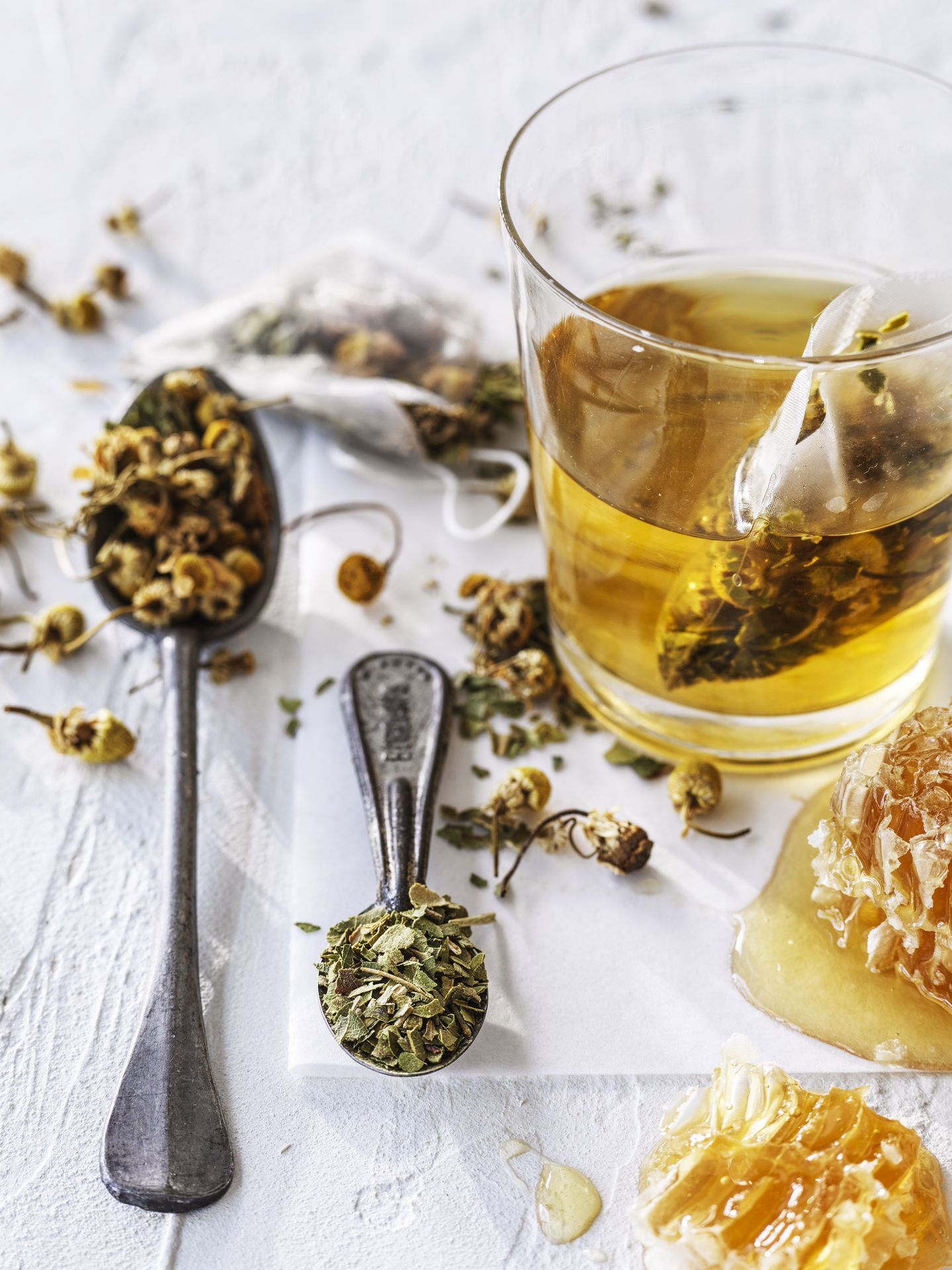
Lemon Myrtle in Beverages
Now that you've got the inside scoop on using Lemon Myrtle in your kitchen, why not start experimenting? Just remember - as with any herb or spice - less is more. Start small and adjust according to taste. Happy cooking.
Key Takeaway:
Adjust as needed. Like with any spice, a little Lemon Myrtle goes a long way. But don't be afraid to experiment. You'll find that its vibrant flavour can really make your dishes pop and bring an authentic Aussie touch to your table.

Lemon Myrtle Essential Oil
Extracted from the green leaves of the Lemon Scented Myrtle tree, this essential oil has a vibrant citrus scent, similar to lemongrass and lime. It's not just about fragrance though; it packs quite a punch in terms of benefits too.
Production of Lemon Myrtle Essential Oil
Care must be taken when handling these oils, as they can cause skin irritation if applied directly without dilution. But don't let that deter you - their uses far outweigh this minor inconvenience.
Uses of Lemon Myrtle Essential Oil
Refillable options like this 60gm pack, allow us more eco-friendly ways to keep enjoying all that Lemon Myrtles have got on offer.
Remember, though it's natural, Lemon Myrtle Essential Oil is still potent. Always use with caution and in advised quantities.
The benefits of Lemon Myrtle are extensive - whether used as a flavoring agent or for its refreshing aroma. No wonder this Australian native tree has gained popularity across the globe.
Key Takeaway:
Lemon Myrtle Essential Oil, with its zesty scent and myriad benefits, is a true Aussie gem. Extracted from mature leaves of the tree through steam distillation, it's prized in aromatherapy for calming effects and also used in skincare due to potent antioxidant activity. But remember - use wisely.
Lemon Myrtle in Seasonings and Spices
When it comes to enhancing the flavour of your dishes, Lemon Myrtle, a native Australian plant, offers an extraordinary citrus note. Used as a seasoning ingredient, it can truly transform ordinary meals into something special.
Lemon Myrtle as a Seasoning Ingredient
Apart from bringing life-enhancing flavours onto your plate these powerful leaves also carry strong antioxidant activity which adds another reason why they’re loved by many households across Australia.
Lemon Myrtle Honey and Salad Sprinkles
Discover the vibrant world of Lemon Myrtle honey and salad sprinkles.
The Making of Lemon Myrtles Honey
This unique blend owes its charm to Australia’s native rainforest tree - Lemon Myrtles. Rich in oxidant activity, these trees offer more than just citrus notes for our taste buds. They also serve as a health boost due to their antioxidant properties.

Lemon Myrtles Green Salad Sprinkle
'You may have noticed some other common names such as 'sweet verbena tree', 'lemon scented ironwood', popping up when talking about this wonderful plant.'
To end off on a fun note:
Fun Fact:
'Did you know? The creamy white flowers from mature trees can be used as beautiful garnishes too.'
So whether you're enjoying a cuppa with Lemon Myrtle honey or adding an exciting twist to your salads, remember that every bit of it is pure Australian goodness.
For a fresh burst of flavour, don't miss out on our Green Salad Sprinkle. It's sure to make your salads sing.
Key Takeaway:
Take a dive into the rich flavours of Lemon Myrtle honey, our unique blend that combines nature's liquid gold with Australia's native Lemon Myrtles. This honey not only tastes great but also offers health benefits from its antioxidant properties. Fancy something different? Why not add an exciting twist to your salads with our green salad sprinkles. They feature refreshing citrus notes straight from Lemon Myrtle leaves. Just remember, after you've enjoyed their zestiness, make sure to store any leftover cool dried leaves in a dry place.
Cooking with Lemon Myrtle
Lemon Myrtle, a native Australian plant, is an absolute game changer in the kitchen. It adds that refreshing citrus flavour to your meals, along with some amazing health benefits.
Baking with Lemon Myrtle
If you're looking at breads, imagine the scent of fresh bread mingling with notes of sweet verbena tree – because yes, one of the common names for Lemon Myrtles happens to be 'sweet verbena'. Now wouldn't that get your morning off on the right foot?
Culinary Uses Beyond Baked Goods
A sprinkle over seafood before grilling or roasting imparts an unforgettable zesty tanginess. Even something as simple as popcorn turns gourmet when seasoned lightly using our favourite popcorn 30g sponsor package.
The Perfect Brew
See if you can liven up your cooking, take it to the next level or just make yourself a relaxing cuppa – Lemon Myrtle is here for you. Give it a go today.
Key Takeaway:
Embrace the culinary versatility of Lemon Myrtle, an Australian native that amps up your meals with a refreshing citrus zing. It's perfect for baking cookies or breads, adding flavour to seafood and even brewing into a calming cuppa. Don't hold back - experiment today.
Storing Lemon Myrtle
Lemon Myrtles, also known by common names like sweet verbena tree or lemon ironwood, can handle frost and drought, but when it comes down to storing its leaves or powder form - cool dry conditions prevail. The key is preventing moisture build-up that could lead to moulds; sooty moulds being a particular enemy of this rainforest plant.
Cool Dried Leaves Storage
To ensure the longevity of your dried Lemon Myrtle leaf stash, place them in an air-tight container away from direct sunlight. Store in a cool dry area – think pantry rather than above your oven. This method will help preserve their flavour for up to 18 months.
Fresh Leaf Refrigeration
For fresh leaves straight off the tree, wrap them gently in paper towel before placing inside a sealed plastic bag in your refrigerator crisper drawer – they should stay sprightly for about two weeks this way.
Powdered Lemon Myrtle Preservation
If you're looking to explore the many uses of Lemon Myrtle from cooking to creating essential oils, start with proper storage. This ensures you get the most out of its citrus flavour and potent antioxidant properties. And remember, it's not just about preserving this amazing plant; it's also about respecting our native Australian flora.
Key Takeaway
For powdered Lemon Myrtle, similar rules apply. You need to keep it in a cool, dry place away from sunlight to preserve its potency and flavour. With the right storage methods, you can savour this Aussie favourite for longer.
FAQs in Relation to Lemon Myrtle
Lemon Myrtle, or Backhousia citriodora, is a native Australian plant. Known for its citrusy aroma and flavour, it's used widely in cooking and essential oil production.
The indigenous people of Australia used Lemon Myrtle traditionally for its medicinal properties. It was also part of their diet due to the zesty flavour.
Besides being a popular ingredient in food and beverages, Lemon Myrtle offers health benefits too. Its high citral content makes it an ideal choice for producing essential oils with antimicrobial qualities.
A matured Lemon Myrtle can reach up to 20 meters when grown in open ground but stays within 2-5 meters if cultivated under controlled conditions like backyards or containers.
Conclusion
For more information, contact us, to find out how Lemon Myrtle can take your product to the next level.