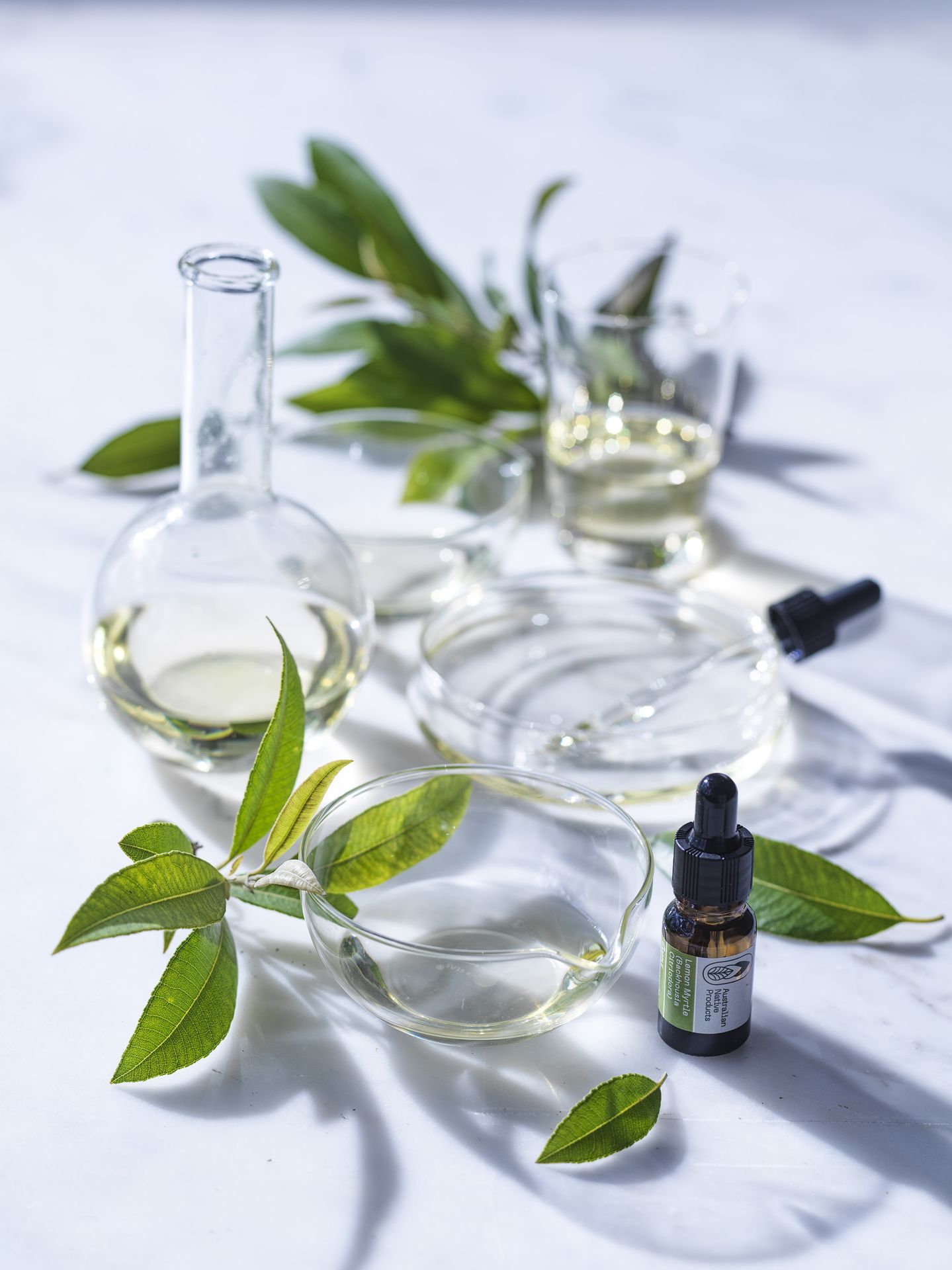
Well, it's not just about their delightful fragrances; Australian Essential oils offer a myriad of benefits that span various industries. Today we will be discussing the rise of Australian oils, in particular Lemon Myrtle and Anise Myrtle.
The Rising Popularity of Australian Essential Oils

Essential oils have been a part of human life for centuries, their therapeutic and medicinal properties making them indispensable. Demand for essential oils has experienced a dramatic increase in recent years. According to a survey conducted back in 2017, around 11% of Australians were found using essential oils specifically for health-related purposes.
Lemon Myrtle - A Versatile Essential Oil
Australia houses some unique botanicals which produce distinctive scents when converted into Australian essential oils. One such example is Lemon Myrtle; known widely not only because it smells heavenly but also due to its antimicrobial properties.
- It has extensive uses across various sectors ranging from the food industry all the way to cosmetics manufacturing
- The lemon myrtle plant thrives naturally under subtropical rainforests located along the coastal Queensland and Northern NSW regions, thus providing us with this preferred Australian essential oil on a consistent basis throughout the year
Anise Myrtle - A Distinctive Choice
For a fresh yet effective antibacterial solution, Anise Myrtle is an ideal go-to option, especially for those involved within the cleaning product formulations sector.
Harnessing the Power of Native Australian Botanicals
With a rich array of unique native plants, Australia is an essential oil powerhouse. The distinctive scents and myriad uses of oils such as eucalyptus oil, tea tree oil, lavender oil, kunzea oil, cedarwood oil, and Australian sandalwood have made them highly sought after across industries globally.
Lemon Myrtle - A Versatile Essential Oil
- This native plant offers antimicrobial properties, making it a preferred choice for various sectors from food preservation, cleaning products to cosmetics formulation.
- A steam distillation process yields potent extracts used as flavorings or fragrances in commercial applications thanks to its high concentration levels, in particular of citral.
Anise Myrtle - A Distinctive Choice
In recent years, manufacturers have shown increasing interest towards Anise Myrtle due largely to its distinct aromatic profile, which resembles star anise but softer.
The Process Behind Extracting Essential Oils

Have you ever wondered how the highly concentrated essence of Australian native plants like Lemon Myrtle and Anise Myrtle is captured in essential oils? The answer lies in a process called steam distillation. It's an intricate, yet fascinating procedure that ensures we get to enjoy these distinctive scents.
Let's delve into this method which plays a crucial role not only in extracting plant material but also preserving their inherent anti-inflammatory properties and soothing qualities.
A Deeper Dive Into Steam Distillation
This blend then travels through cooling tubes where it transforms back into liquid form - collecting at its journey's end inside a vessel known as an essencier or separator.
Sustainability: A Core Principle In Extraction Processes
This means our favorite Aussie offerings are produced efficiently without causing undue strain on natural resources - mirroring responsible farming practices adopted by local farmers growing these indigenous species for commercial purposes.
Dilution: A Crucial Step in Safe Usage
Ingesting these distinctive scents can also be harmful if consumed in their raw form; hence they should always be diluted under expert guidance before consumption.
Supporting Local with Australian Farmers
Exports of natural oils from Australia account for more than 90% of the country's total production, underscoring the importance of international demand to sustain its farming sector. This highlights how crucial international demand is for sustaining our farming sector. According to data from the Department of Agriculture, exports contribute substantially towards supporting regional economies by creating jobs and fueling development initiatives at a grassroots level.
Sustainable Farming Practices
This involves strategies such as crop rotation methods, organic fertilization techniques among others aimed at preserving biodiversity and maintaining ecological balance - all contributing towards healthier ecosystems capable of producing robust crops year after year.
Fair Trade Principles: More Than Just A Buzzword Here
Beyond sustainability lies another important facet - fair trade principles. When you choose Australian essential oils for your product lineup, you indirectly endorse ethical trading standards ensuring adequate compensation for hardworking farmers while discouraging exploitative labor practices. Fairtrade Australia outlines several guidelines aiming at achieving equitable commerce within agricultural sectors including ours...
- Your Choice Makes A Difference:
In conclusion, choosing authentic Australian essential oils isn't merely about adding value or distinctive scents. It's about making a difference where it matters most: supporting local communities while upholding environmental stewardship. So why
Key Takeaway:
Choosing Australian essential oils isn't just a quality boost for your products, it's an eco-conscious choice that supports local farmers and promotes sustainable farming practices. Plus, you're endorsing fair trade principles - now that's making scents of responsibility.
Navigating International Standards for Essential Oils
In essence, staying abreast with legislative requirements and maintaining compliance isn't just a matter of legality - it can directly impact your business' market reach and bottom line.
Maintaining Ethical Practices
The adherence towards both regulatory compliances alongside internal Quality Assurance practices will ultimately lead toward establishing a trustworthy reputation amidst growing competition while simultaneously catering to increasing interest coming forth from Asian markets alongside ongoing demands in North America & Europe.
Key Takeaway:
For businesses dealing in Australian essential oils, navigating international standards and ethical practices isn't just about legality. It's a key factor affecting market reach and profitability. Compliance with EU REACH regulations, maintaining sustainable sourcing methods, and rigorous testing can build trust amidst rising competition.
Combatting Copycats in the Industry
In essence, it's a battle between authenticity and mass-produced alternatives which can have far-reaching implications for both producers and consumers alike.
Distinguishing Genuine from Fake Products
Certification marks are another indicator worth noting. Certifications like Certified Organic or ACO (Australian Certified Organic) ensure stringent standards during cultivation and processing stages were met - offering further assurance about product quality.
Safeguarding Authentic Producers
Beyond this direct approach though lies potential on a larger scale - advocating stricter regulations against false labeling could help combat copycat products more effectively. This would necessitate collaboration among regulatory bodies worldwide but could pave the way towards greater transparency within the industry overall.
The Future Potential of Australian Essential Oils

One key driver propelling this growth is the surging interest from Asian markets. With their expanding middle class and heightened health consciousness, countries such as China, Japan, and South Korea are gravitating towards high-quality natural offerings like Australian essential oils.
Rising Demand in North America and Europe
This sustained appeal can be credited not only to the exclusive benefits provided by top essential oils but also due to sustainable farming practices employed by dedicated local farmers - a feature highly valued among eco-conscious consumers worldwide.
Australian Native Plants: A Unique Offering
The distinctiveness brought forth through plants like Lemon Myrtle or Anise Myrtle sets apart Australian essentials on global platforms. They possess rare characteristics making them attractive options for manufacturers spanning diverse industries including the food & beverage sector or personal care product lines.
Besides offering gorgeous scent profiles, they come packed with beneficial properties such as antimicrobial effects which add further value when incorporated into different end-use applications ranging from cleaning supplies through cosmetics up until culinary delights.
FAQs in Relation to Australian Essential Oils
What essential oils are native to Australia?
Eucalyptus, Lemon Myrtle, Anise Myrtle, tea tree, lavender, kunzea, cedarwood, and Australian sandalwood are among the essential oils native to Australia.
Which country is famous for essential oils?
Australia is renowned globally for its unique and beneficial essential oils derived from indigenous plants.
What are the 5 best essential oils?
The top five include Lavender for relaxation, Peppermint for an energy boost, Tea Tree for skin health, Eucalyptus for respiratory relief, and Lemon Myrtle as a natural antimicrobial agent.
Conclusion
Stay in the know by contacting us.